The end of piece
The “Sunset of Peace” article in The Times of August 6, 1914 describes the end of peace in a West of England valley as arriving not with noise but with an eerie calm. On the Sunday before war, church bells rang, the harvest continued, and the countryside retained a “golden age” serenity, disturbed only by small signs of anxiety—a postmaster ordered to stay on duty and a reservist walking away from his family in uniform. This quiet ending mirrored events in London, where peace expired at midnight on August 4 as public cheering faded into silence before the clock struck war. For observers like Margot Asquith, the moment marked a permanent psychological rupture, as the calm of peacetime gave way to the reality of war.
The End of Peace
The final, frantic days before WWI, as the lights go out all over Europe.
Chapter Timeline
Key events in chronological order
News of the Austrian ultimatum to Serbia reaches London.
Sir Edward Grey makes a historic speech to the House of Commons.
Britain sends an ultimatum to Germany regarding Belgium.
Character Perspectives(How each character saw that)

H.H. Asquith
He viewed the war with a mix of 'levity' and horror.

Margot Asquith
She described the scene in the Cabinet room as one of 'complete silence'.

Winston Churchill
Described as 'geared up and happy' and 'breast-high' about the war.

Edwin Montagu
He was 'gloomy and depressed'.
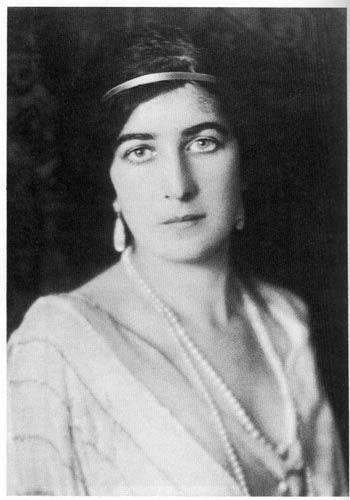
Venetia Stanley
She received Asquith's most intimate secrets daily.

Diana Cooper
She felt the declaration was a 'gruesome soul-shattering end'.

Sir Edward Grey
He appeared 'dolorous & despondent' in Cabinet.
Lloyd George
Initially against intervention, he eventually swung behind the war effort.
Fun Fact
On August 4, 1914, Prime Minister Asquith played a game of bridge to pass the time.
Sources
- • Asquith Letters
- • The Asquiths Book
- • Naomi Levine