Asquith's State Secrets - What He Revealed to Venetia Stanley
Asquith’s letters to Venetia Stanley were not just intimate correspondence. While serving as Prime Minister during the First World War, he repeatedly shared sensitive military, diplomatic, and Cabinet information with her, often in strikingly casual terms. Sent by ordinary post and sometimes circulated beyond Venetia herself, the letters blurred the line between private confidence and state secrecy — which is why historians have treated them as a serious breach of wartime security
State Secrets Shared
The quiet sharing of war secrets that turned private confidence into a national risk.
Selected Letters
Contemporary extracts from the letters of H.H. Asquith to Venetia Stanley.
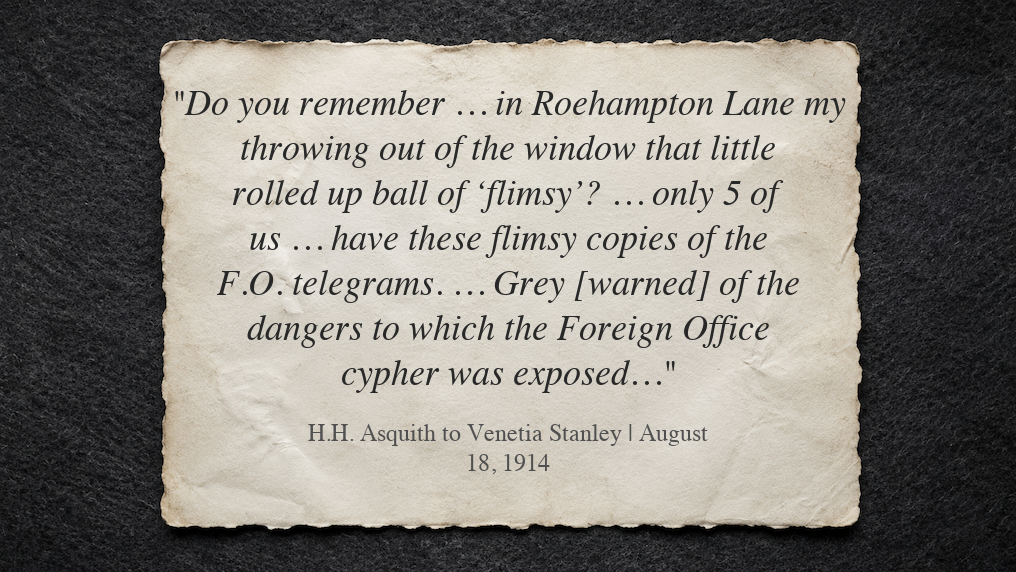
Asquith carelessly threw a highly classified 'flimsy' (a thin carbon copy of secret Foreign Office telegrams given only to five senior ministers) out of his car window while driving with Venetia. He joked with her about the police finding discarded fragments and the severe security warning issued by the Foreign Secretary
Character Perspectives(How each character saw that)
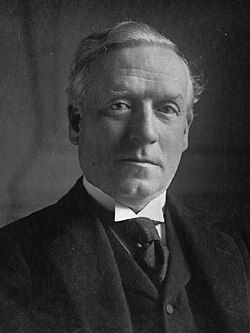
H.H. Asquith
He believed sharing state secrets with Venetia was essential to his emotional survival and effectiveness as Prime Minister, regarding her judgment as superior and her discretion as absolute, and even writing to her from the Cabinet table to escape what he called 'sterility, impotence, & despair.'
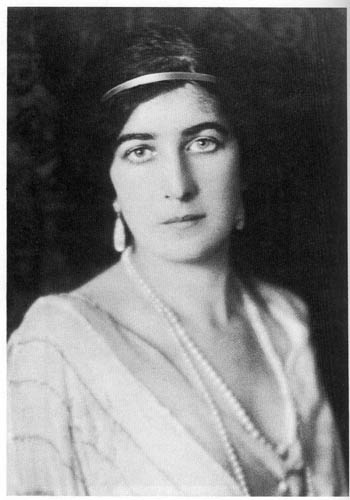
Venetia Stanley
She relished being the Prime Minister’s confidante and 'always in the know,' but did not keep his secrets entirely private, sharing letters with Edwin Montagu and later allowing their contents to be used and circulated despite their sensitivity.

Edwin Montagu
Having read Asquith’s letters, he was aware of the Cabinet secrets being shared and benefited from the intelligence, yet he worried that Asquith’s obsessive correspondence with Venetia threatened his grip on official duties.
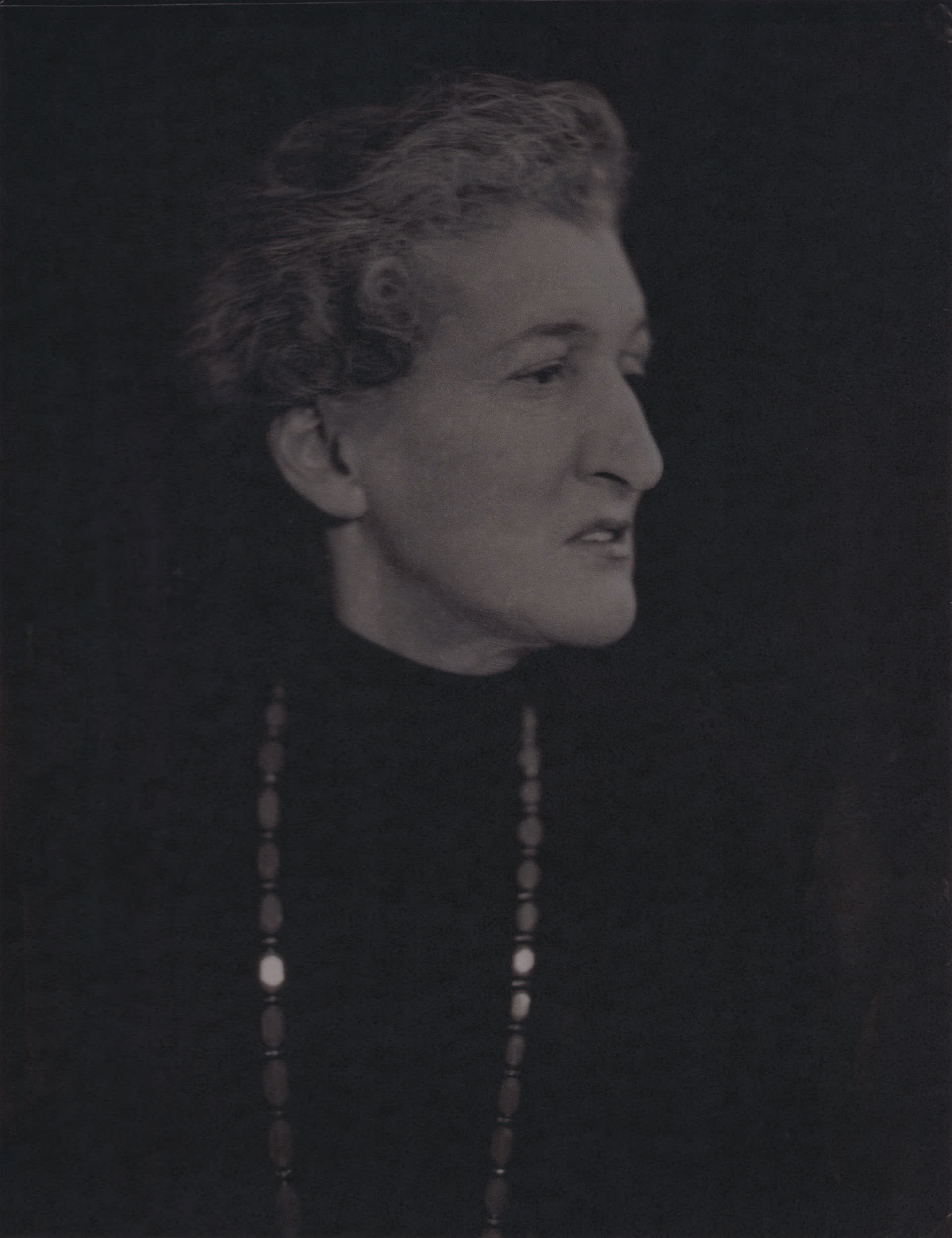
Margot Asquith
She was deeply jealous of the confidence Asquith placed in Venetia, feeling displaced and humiliated, and suspected that Venetia was deliberately encouraging her husband to withhold secrets from her.
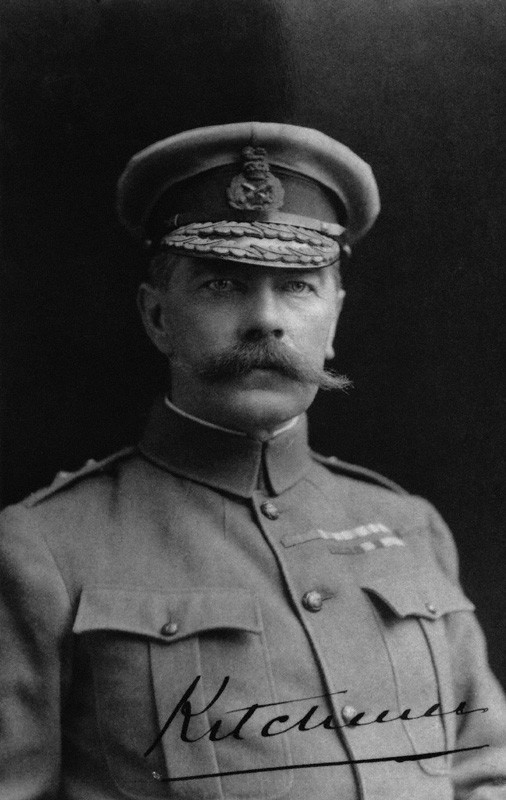
Lord Kitchener
He was alarmed by the leakage of secrets through ministers’ wives and social circles, bitterly remarking that full Cabinet candour would only be possible if ministers divorced their wives.

Maurice Hankey
As Secretary to the War Council, he identified society gossip as a major security risk and explicitly recorded his concern that women close to ministers knew far too much.
Fun Fact
During a drive through Roehampton Lane, Asquith and Venetia casually screwed up a top-secret Foreign Office telegram and threw it from the car, later joking that she could have provided 'damning evidence' when police found similar fragments elsewhere.
Sources
- • Asquith Letters
- • The Asquiths Book
- • Churchill Cabinet Papers (1911–1914)
- • Churchill Cabinet Papers (1915–1916)
- • Maurice Hankey - The Supreme Command
- • Frances Stevenson
- • Diana Cooper
- • Cynthia Diaries